Oral Surgery

When Surgery Becomes Necessary

Resolving Complex Oral Health Issues

Oral surgery may be recommended when a tooth cannot be restored, an extraction is more complex, or a wisdom tooth is causing pain or repeated problems. We understand that being referred for a surgical procedure can feel daunting, so we take time to explain the findings, available options and each stage of your care.

At Newnham Dental, oral surgery is provided by an experienced clinician in a calm, familiar practice setting. From your initial assessment through to treatment and aftercare, your comfort and safety remain central to every decision. Where appropriate, conscious sedation may also be available for patients who feel particularly anxious about treatment.

1 visit

Most minor oral surgery procedures completed in a single appointment

Specialist Treatments

These Issues Often Require Oral Surgery
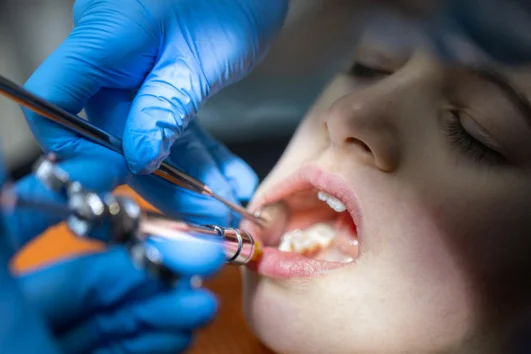
Our specialist team manages a wide range of complex oral conditions — from wisdom teeth to jaw disorders, cysts, soft tissue lesions and beyond.

Wisdom Teeth and Complex Tooth Removal
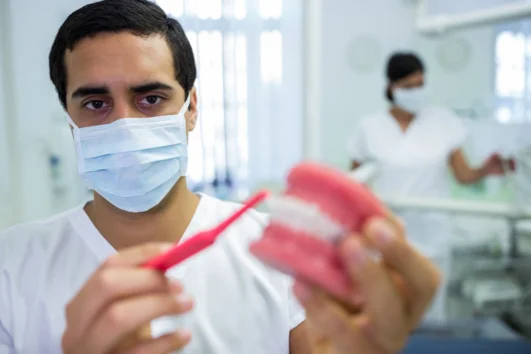
We regularly manage difficult or impacted wisdom teeth, as well as complex extractions where teeth are broken, buried or sitting close to nerves or sinuses. Our use of 3D imaging and specialist techniques ensures accuracy, reduces risk, and means faster recovery.

Cysts, Infections and Apicectomy

We remove oral cysts, treat infections around the tips of roots (known as apicectomy), and manage other hidden problems affecting the jaw or bone, often using minimally disruptive surgical methods.

Jaw Pain and TMJ Disorders

Jaw tension, clicking, grinding, or facial pain can indicate a problem with the TMJ (jaw joint). We offer in-depth assessment and treatment for TMJ dysfunction, often combining surgical and non-surgical methods including Botulinum toxin therapy to relieve muscular pain.

Surgical Support for Orthodontic Cases
We assist in procedures such as expose and bond surgeries, helping orthodontic treatment succeed where teeth are stuck or unerupted.

Red or White Patches in the Mouth

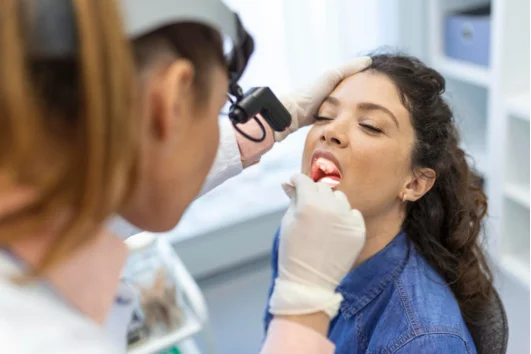
If you’ve noticed a white or red patch in your mouth that doesn’t go away, it’s important to get it checked. These may be harmless, but some require investigation or early treatment. We can provide same-day specialist evaluation, diagnosis, and where appropriate, a biopsy and full care plan.

Soft Tissue Lesions and Skin-Like Growths
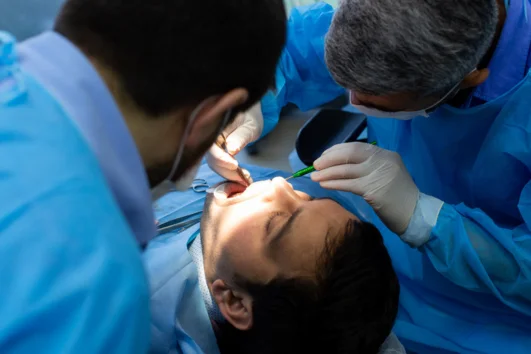
Lumps, bumps, ulcers or other soft tissue changes in the mouth often require a surgical opinion. We can assess, remove, or monitor these with rapid access to oral pathology where needed.

Minor Oral Surgery

Procedures such as frenectomy (for tongue tie), mucocele removal (fluid-filled lumps), or small oral lesions are performed here in a calm, safe, and sterile environment, often in a single visit.

Salivary Gland Disease

Our oral surgeon receives referrals from across the UK for her expertise in gland-preserving surgical techniques when managing obstructive salivary gland disease. She is currently the co-surgical lead for the salivary gland service at Guy’s Hospital, the only unit in the UK to provide the full scope of treatment for obstructive disease.
Why Choose Us

Benefits of Oral Surgery at Newnham Dental

From the moment you arrive to the final stages of your recovery, our entire team is focused on one thing: delivering the best possible outcome for you — safely, precisely, and with genuine care.

Clinical Clarity

Every diagnosis and decision is explained with care — you will always know your options.

3D Planning and Advanced Imaging

To reduce risk and improve accuracy throughout your procedure.

Comfort-Focused Care

Sedation is available where appropriate, and your wellbeing is always our priority.

Specialist Follow-Up

We guide your healing and keep your dentist fully informed at every stage of your recovery.

Common Questions

FAQ's about oral surgery symptoms and treatments

Do I need my impacted wisdom teeth removed?

Not always. Impacted wisdom teeth may not need removal if they’re healthy and symptom-free. However, if they’re causing pain, infection, swelling, or damaging nearby teeth, removal is often recommended. At Newnham dental we use 3D imaging to assess the safest and most appropriate option for you.

A complex extraction involves removing a tooth that is broken, deeply embedded, or close to sensitive structures like nerves or sinuses. These procedures require specialist planning and often surgical techniques. We perform them with precision and offer sedation where appropriate.
A coronectomy is an alternative to full wisdom tooth removal when the roots are very close to the nerve. In this procedure, only the crown of the tooth is removed, leaving the roots safely in place to avoid nerve damage. It’s a safe and effective solution for selected cases.
Cysts can form around teeth, under the gums, or in the jawbone. While often benign, they can grow and cause damage if left untreated. Surgical removal is usually straightforward and helps prevent long-term complications.
An apicectomy is a microsurgical procedure used when a root canal hasn’t fully resolved an infection. We remove the very tip of the root and clean the surrounding tissue, often under magnification, to preserve the tooth and stop recurring infection.
Any patch that persists for more than two weeks should be assessed by a specialist. While many are harmless, some may require biopsy or monitoring. We offer fast-track assessment, diagnosis, and treatment where needed, all under one roof.

These include any lumps, bumps, ulcers, or skin-like growths inside the mouth. They may need to be removed or biopsied for analysis. We provide minor oral surgery for soft tissue conditions in a calm, private setting.

This surgical technique is used when a tooth (often a canine) is stuck beneath the gum and hasn’t erupted naturally. We expose the tooth and bond an attachment to help guide it into position as part of orthodontic treatment. It’s a precise procedure, done in close collaboration with your orthodontist.
A frenectomy involves removing or loosening the small band of tissue (frenum) under the tongue or upper lip. It may be recommended for speech issues, orthodontic problems, or feeding difficulties. The procedure is quick, with minimal recovery time.
A mucocele is a small, fluid-filled lump that commonly appears inside the lip or cheek. It’s caused by a blocked salivary gland. Removal is minor and usually performed under local anaesthetic.
TMJ dysfunction affects the jaw joint and surrounding muscles. It can be caused by grinding, stress, bite issues, or joint disease. Symptoms include jaw pain, clicking, restricted movement, and headaches. We offer in-depth diagnosis and treatment options, from bite splints to surgical intervention.
We begin with a detailed diagnosis to identify the cause — whether it’s muscular, joint-related, or neurological. Treatment may include jaw therapy, splint therapy, or in some cases, muscle-relaxing injections.
Botulinum toxin can reduce chronic muscle tension and pain by relaxing overactive muscles. It’s particularly effective for patients with myofascial pain, grinding, or persistent jaw tension. Treatment is quick, targeted, and can offer significant relief.
Contact

Start your dental journey

Speak to our team to arrange a consultation or find out more about treatment options.

Scroll to Top